6 Things You Need To Know Before Opening A Restaurant
Opening a restaurant is not only about food. It is also about the space people sit in, move through, and remember. Chairs that wobble, tables that scratch fast, or a bar area that feels cramped can ruin the experience, even if the food is great.
If you are planning to start up restaurants, treat furniture and layout as part of your core plan, not a last-minute purchase. Restaurant furniture is used all day. It takes more wear than home furniture. It also affects safety, service speed, and customer comfort.
This blog shares six things you should know before you open. It is written for real planning, not for hype. It also clearly covers the furniture side, because many new owners under-plan it.
1. Your Business Restaurant Plan Must Include Seating And Layout

A business restaurant plan is not complete if it only talks about the menu and marketing. Seating and layout decide how many guests you can serve and how smoothly service runs.
Start with three simple questions:
- How many seats do you need to hit your sales target?
- How long do you expect guests to stay?
- Which seating mix fits your concept?
For example, a quick-service place needs fast turnover. That usually means simple chairs, smaller tables, and clear walking paths. A dine-in place may need more comfort and more space between tables.
Add these layout details to your plan:
- Total seats (not just “capacity,” but real usable seats)
- Table sizes and shapes (two-tops, four-tops, booths, bar seating)
- Aisle width for staff movement
- Waiting area space
- Storage space for extra chairs or high chairs
A practical tip: draw your floor plan to scale. Then place tables and chairs on the plan. You will quickly see if the room feels tight.
When seating is planned early, everything becomes easier later, including staffing and service flow.
2. Funding For Restaurant Startup Must Cover Furniture The Right Way

Many people calculate rent, kitchen equipment, and permits. Then they “figure out furniture later.” That is risky.
Furniture is a major expense for a restaurant startup. It is also a recurring cost if you buy poor-quality items and have to replace them quickly.
Furniture costs are not only chairs and tables. They include:
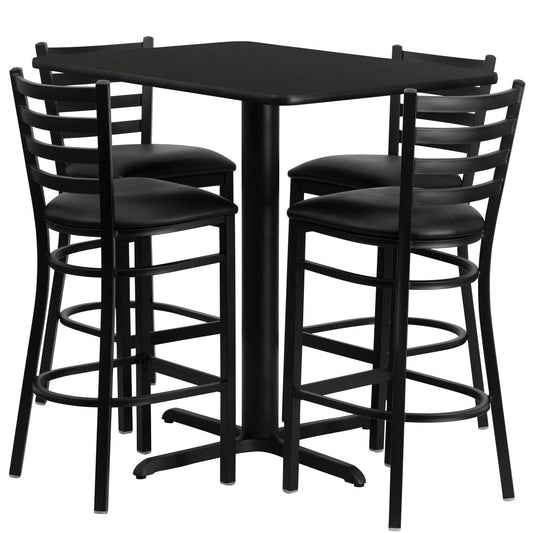
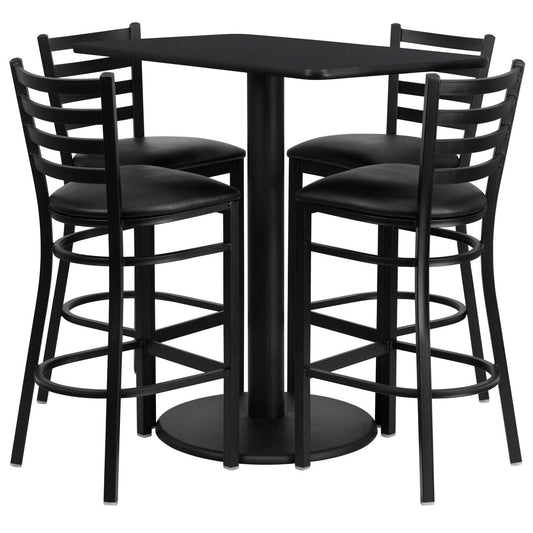
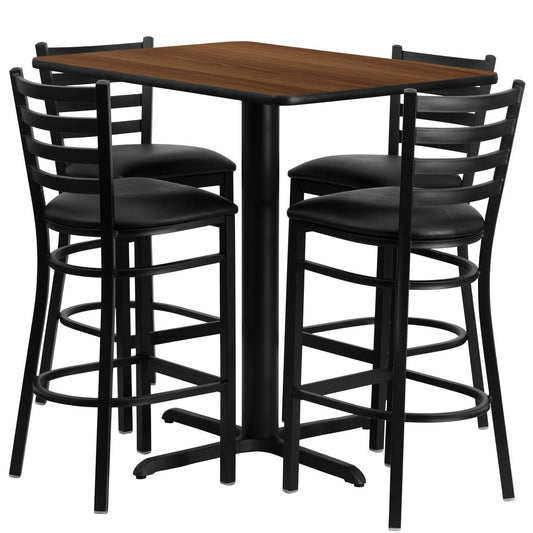
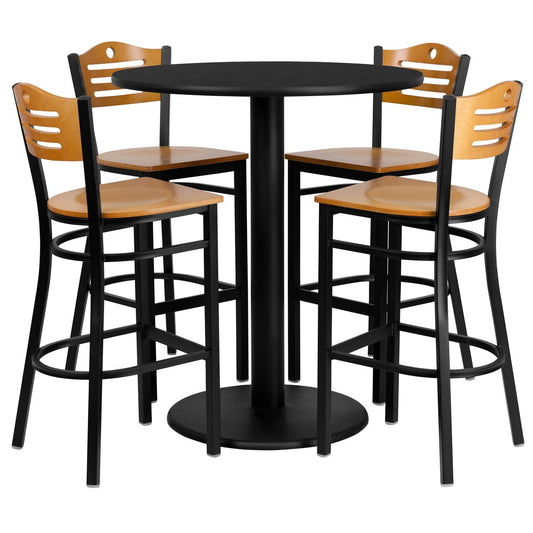
- Bar stools and bar-height tables
- Dining chairs and table tops
- Booths, if your layout uses them
- Outdoor seating, if you have a patio
- Replacement glides, floor protectors, and hardware
- Delivery, assembly, and occasional repairs
Also plan for the “hidden costs” that hit new owners:
- Floor damage if chair feet are rough
- Wobbly tables are causing complaints and spills
- Upholstery wear and cleaning costs
- Extra furniture for rush times and events
If you are trying to reduce cost, the smarter approach is to buy fewer pieces at the right quality, then add later. Cheap furniture that fails under daily use is not cheaper in the long run.
Commercial restaurant suppliers often label products as “commercial grade” or “heavy duty,” and that language matters because restaurants need furniture built for high-traffic use.
3. Comfort Is Not A Luxury It Is Part Of Sales
People stay longer and return more often when seating feels comfortable. They leave faster when seating feels awkward, unstable, or too hard.
Comfort is not only about padding. It is also about height, foot support, and spacing.
Here are practical comfort points that many owners miss:
- Bar stool footrests matter. If feet hang for too long, people feel discomfort more quickly.
- Seat height must match table height. If the table is too high for the seat, guests feel cramped.
- Back support affects how long people stay. Some concepts want fast turnover, but most still need basic comfort.
Many buying guides explain the difference between counter-height and bar-height seating and why footrests and sizing matter for comfort in real use.
If you want bar seating, do not guess. Measure your bar height and choose stools made for that height. A small mismatch leads to daily customer discomfort.
4. Restaurant Competitor Analysis Should Include Furniture And Flow
A restaurant competitor analysis is not only about menu and prices. It is also about how space works.
When you visit competitors, look at these things:
- How close the tables are placed
- Whether servers can pass each other easily
- Which seats do people choose first (booths, window seats, bar seats)
- Whether the stools look stable and comfortable
- How noisy the room feels when it is full
- Whether furniture looks worn or still holds up
Also, check reviews. Guests often mention comfort and seating without using technical words. You will see phrases like:
- “The chairs were uncomfortable.”
- “The tables were too close together.”
- “The bar seats were shaky.”
These comments are valuable because they show what customers notice.
Competitor visits also help you plan your furniture mix. If every nearby place is doing the same style, you may want a different feel to stand out. Not flashy. Just clearly different and well planned.
5. Choose Materials That Match Your Real Usage
In start-up restaurants, owners often choose furniture solely based on looks. Then the furniture starts failing after a few months of real traffic.
Commercial seating is about materials and construction.
A simple way to decide is to ask:
- Will this chair be used 50 times a day?
- Will people drag it on the floor?
- Will food spill on it often?
- Will staff stack it during closing?
Common commercial materials include metal and wood. Both can work, but the right choice depends on your concept and cleaning routine. Many restaurant chairs guides note that commercial stools and chairs are built from durable materials meant for heavy use.
Also, think about cleaning. If your concept has sauces, drinks, and fast turnover, upholstery and fabric choices matter. Easy-clean surfaces reduce daily stress.
One more practical point: check whether chairs are stackable if you ever need to clear space for cleaning or events. That single feature can save time every week.
6. Plan For Safety, Stability, And Maintenance From Day One
This part is boring, but it protects your business.
Furniture should be stable. Tables should not wobble. Stools should feel secure. Loose screws and uneven legs create accidents and complaints.
Build basic maintenance into your opening routine:
- Tighten bolts and screws weekly in the first month
- Add floor glides to protect the flooring and reduce noise
- Keep a few spare chairs and hardware parts
- Inspect bar stools often, because they take more stress
Long-lasting furniture is usually a mix of good build quality and simple upkeep. Many durability-focused guides recommend paying attention to construction, joinery, and materials because these factors affect lifespan in busy restaurants.
If you are planning outdoor seating, treat it as a separate plan. Outdoor furniture is exposed to sunlight, rain, and temperature changes. Indoor furniture used outdoors wears out fast.
A Simple Furniture Checklist Before You Buy
Use this quick list before you place an order:
- Measure the table height and bar height first
- Confirm seat height matches table height
- Check for footrests on barstools
- Test stability on a hard floor
- Ask about weight capacity and commercial use
- Think about cleaning and stain resistance
- Plan storage if you will stack chairs
- Buy a small extra quantity for replacements
These steps prevent expensive mistakes that are hard to fix after opening.
Conclusion
Restaurants do not win only because the food is good. They also win because the space feels right. A clear business plan for a restaurant, including seating, smart funding for a restaurant startup, and a practical competitor analysis, will help you avoid common problems that break start-up restaurants early.
Furniture choices should support comfort, flow, and durability. When you plan that side properly, your team works faster, guests feel better, and your space holds up under real use.
If you are sourcing commercial seating like bar stools, restaurant chairs, and table sets, suppliers such as Wholesale Bar Stool Club operate in this part of the restaurant setup world where durability and fit matter more than fancy looks.