Pros & Cons of Different Restaurant Chair Materials
When people walk into a restaurant, they notice the food, the lighting, and the overall vibe, but they also notice how comfortable the seating feels. Restaurant chairs do more than fill space. The right material for dining room chairs affects comfort, durability, cleaning effort, and how well your space holds up over time.
With so many chair materials available today, understanding the real pros and cons of each one can help you make a smarter, long-term decision.
1. Metal Chairs

Metal chairs are a preferred choice for many restaurants because of their strength and versatility.
Pros
-
Highly durable for commercial use: Metal chairs can handle constant movement, heavy weight, and daily wear. You can invest in these if you need long-term value for money.
-
Easy to clean and maintain: Cleaning them is not a task. You just have to wipe them without using any special cleaning products and it is done.
-
Suitable for indoor and outdoor use: Metal performs well in both indoor dining areas and patios. Many restaurants also use metal bar stools and folding patio chairs for flexible outdoor seating.
- Modern and industrial design appeal: These chairs fit well in contemporary, industrial, and casual restaurant interiors. They also pair easily with wood or upholstered seats for added comfort.
Cons
-
Can feel uncomfortable without cushioning: Bare metal seats and backs are hard and cold, making it uncomfortable to sit. This is why cushions or padded seats are often needed for longer dining times.
-
Can develop rust or chips over time: The low quality metal chairs start rusting after a certain period. No matter how many protective coatings you use, daily restaurant use can slowly cause visible wear.
-
Can feel heavy for daily movement: You cannot move all metal chairs easily. And when it comes to restaurants where staff constantly rearrange tables, this extra weight can slow things down during rush hours.
- Doesn’t match every restaurant vibe: Metal chairs work better in industrial and modern settings. If your restaurant is more about comfort, warmth, or fine dining elegance, you might not like this piece of furniture.
2. Wood Chairs / Wood Seats

Wood has always been a go-to choice for dining chairs, especially in restaurants that want a classic, premium, or cozy feel. It brings a natural charm that many guests instantly connect with.
Pros
-
Adds warmth and personality to the space: The fact is, wooden chairs can make any dining area feel more aesthetic and welcoming. People also feel that these chairs give them more of a premium experience.
-
Strong and built to last: When chairs are made of good-quality wood, they last longer. You just have to keep them properly and you are good to go.
-
Feels more natural to sit on: Compared to bar metal, wood seats usually feel more comfortable and less cold. They work well in restaurants where guests tend to sit longer and enjoy slower dining experiences.
- Easy to match with different interiors: Wood comes in many shades, stains, and finishes, so it’s easier to match your chairs with your restaurant theme. Whether it’s rustic, modern, or classic, there’s usually a wood finish that fits.
Cons
-
Can get damaged by water or spills: Wood cannot handle constant moisture. If you don’t clean the spill instantly, it can lead to stains, swelling, or even cracks over time.
-
Needs regular upkeep: Wooden furniture needs proper polishing, tightening, or refinishing after long use. This means wooden chairs usually need more maintenance than other materials.
-
Can be heavier to move around: Did you know? Some wood chairs are heavier than metal chairs. This means, moving them can be a task and can slow things down.
- Shows scratches and dents more easily: In busy restaurants, small scratches and marks are almost unavoidable. Some places like this “aged” look, but others may see it as damage.
3. Vinyl Upholstered Chairs

Vinyl is a popular choice in restaurants seeking comfortable seating in restaurants without the headache of constant cleaning. It’s especially common in busy places where tables turn over quickly.
Pros
-
Super easy to clean: Vinyl does not soak spills, crumbs, and stains. So, a quick wipe is enough to keep them intact. Also, these are beautiful to look at which is the best thing for any restaurant.
-
More comfortable for longer seating: The padded seat adds noticeable comfort compared to hard wood or metal chairs. Guests can relax and enjoy their meals without feeling stiff.
-
Looks good without costing too much: Vinyl gives a leather-like appearance at a much lower price. It’s a smart way to add cushioned seating without stretching your budget.
- Handles daily restaurant wear well: Vinyl is built for constant use and fast cleanups. That’s why it works so well in cafes, diners, and casual restaurants that stay busy all day.
Cons
-
Can crack or peel with time: After heavy daily use, vinyl may start to show wear, especially around the edges of the seat. Lower-quality vinyl tends to break down faster.
-
Not very breathable: The fabric makes it difficult for the air to flow easily. So, in humid and warm settings, these chairs may make it difficult for guests to sit for longer time.
-
May feel too casual for upscale spaces: Vinyl may not work with fine dining or luxury restaurants. It goes well with casual or budget-friendly seating.
- Usually doesn’t last as long as solid materials: Compared to wood or metal chairs, vinyl upholstery often needs replacement sooner. Over time, this can add to maintenance and replacement costs.
4. Plastic / Resin Chairs

Plastic chairs are usually seen in casual dining spots, fast-service restaurants, and outdoor seating areas. They’re popular because they’re practical, affordable, and easy to manage day to day.
Pros
-
Lightweight and easy to move around: Plastic chairs are simple to lift and move around. This makes it easy for the staff to adjust the seating as per guests demand.
-
One of the most budget-friendly options: Plastic chairs are not expensive. This is why they are ideal for restaurants that need numerous chairs or temporary seating setups.
-
Handles moisture and outdoor weather well: Plastic doesn’t absorb water, so it performs well in outdoor or patio areas. Be it rain, spills, or humidity, your chairs are safe.
- Very low maintenance: Cleaning plastic chairs does not take much time and effort. There’s no need for polishing, coating, or special treatments.
Cons
-
Not the best choice for heavy daily commercial use: Plastic can crack and weaken over time. For busy restaurants, this is not an ideal choice because they have to replace them more often.
-
Can feel less comfortable for long dining: Most plastic chairs don't come with padding or ergonomic support. This makes guests feel uncomfortable after a certain time.
-
Can look less premium: Compared to wood or metal, plastic can sometimes feel cheaper. This can slightly impact how guests perceive the overall restaurant experience.
-
Can fade in direct sunlight: If you keep these chairs outdoor for a longer period, they may start to fade. This further makes your chairs look older than they actually are.
5. Combination Material Chairs

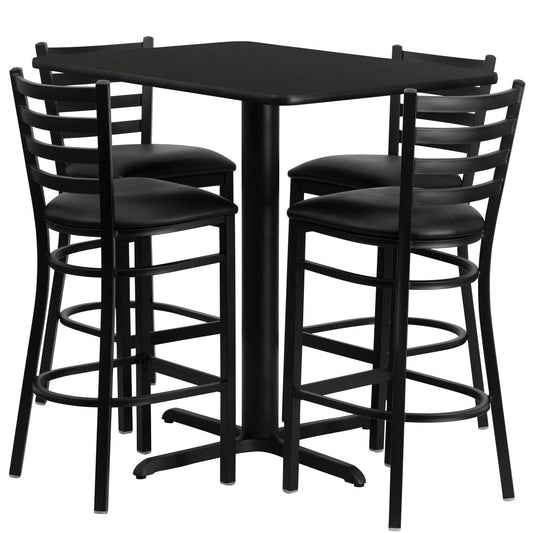
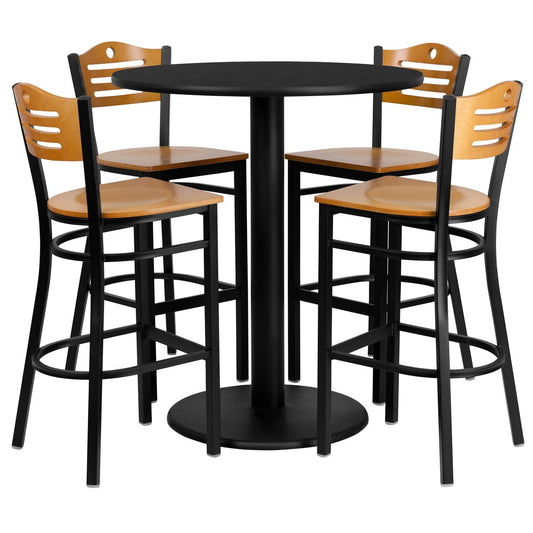
Combination chairs mix two or more materials, like a metal frame with a wooden seat or an upholstered back with a solid base. Restaurants usually choose these when they want both good looks and everyday practicality.
Pros
-
Good mix of strength and comfort: When you combine something strong like metal with something comfortable like wood or padding, you get the best of both. These chairs usually feel sturdy but still comfortable for guests.
-
Works with many restaurant styles: Mixed materials give more design flexibility. They can fit into casual dining spaces but also work well in slightly premium or modern restaurant setups.
-
Usually more comfortable for guests: Because these chairs often include padding or shaped seating, guests tend to feel more supported. This is helpful in places where people sit longer and order multiple courses.
- Looks more premium and well-designed: Combination chairs often look more intentional and stylish. They add visual interest to the dining space instead of looking too plain or basic.
Cons
-
Usually costs more upfront: Using multiple materials increases manufacturing cost. So compared to single-material chairs, these usually need a bigger initial investment.
-
Different parts wear out at different speeds: Since each material ages differently, one section may start showing wear earlier. For example, upholstery may wear out before the frame does.
-
Needs a bit more careful maintenance: You can’t clean all parts the same way. Staff may need to be careful about what cleaning products they use on each material.
- Often heavier than simple chair designs: Because of the mixed construction, these chairs can be heavier. That can make daily cleaning or rearranging slightly slower during busy service hours.
The Bottom Line
The chairs you pick end up playing a bigger role than most people expect, they affect how easily your staff moves, how long guests stay comfortable, and how your space feels during busy hours. When seating is right, you don’t notice it; everything just runs smoother and feels more put together.
If you’re thinking about upgrading, adding more seating, or setting up a new space, it helps to go with chairs made for real restaurant use. Choosing the right seating is a key part of a successful Restaurant Dining Concept. You can check out solid, restaurant-ready options at Wholesale Bar Stool Club and see what fits your space best.
FAQ
Q1. What is the best material for chairs?
High-Durability Fabrics: For homes with young children or pets, fabrics like polyester, microfiber, or performance fabrics are ideal. These materials are known for their durability, stain resistance, and ease of cleaning.
Q2. Is leather or fabric better for dining chairs?
Leather is generally easier to keep clean, but will generally wear out sooner than fabric. Fabric will last longer but harder to keep clean because of how porous it is.
Q3. What are the advantages of wooden chairs?
Wooden chairs offer the perfect blend of style, durability, and comfort, making them an exceptional addition to any home.
Q4. What is the most durable material for chairs?
The most durable material for upholstery is crypton, a liquid-repellant and virtually indestructible performance fabric perfect for sofas, chairs, sectionals, and more.
Q5. How can you tell if a chair is high quality?
You can tell a chair is high quality by checking for solid construction, durable materials, and meticulous upholstery.