How to Choose Durable Cafeteria Chairs for High-Traffic Areas

Cafeteria chairs go through more wear than most other furniture. People pull them away from tables, slide them across floors, spill food and drinks, and use them throughout the day. In busy schools, offices, hospitals, and commercial dining spaces, poorly built chairs can quickly become a maintenance problem.
Choosing durable cafeteria chairs means looking beyond their appearance. Frame construction, seat materials, comfort, and cleaning requirements all affect how well a chair handles everyday use. The right choice should support your guests, suit your dining space, and reduce the need for frequent repairs or replacements.
1. Consider How Your Cafeteria Is Used
Before comparing chair designs, think about what happens in your cafeteria during a typical day. A school lunchroom has different seating needs from an office cafeteria or hospital dining area.
Ask yourself a few practical questions:
- How many people use the seating each day?
- Are chairs moved frequently for cleaning or rearranging?
- Do customers usually sit for short meals or longer breaks?
- Will the seating be used by children, adults, or a mix of visitors?
- Is there enough storage space for extra chairs?
These details will help you choose seating that works with your daily operations.
For busy dining environments, consider cafeteria chairs designed for commercial settings rather than relying on residential furniture.
2. Choose Chair Materials That Handle Daily Wear

The material plays an important role in how long cafeteria seating lasts. Each option has advantages, but not every material will suit every dining environment.
Metal Cafeteria Chairs
Metal chairs are a practical choice for busy cafeterias because many commercial models have strong frames and surfaces that are relatively easy to clean. Steel frames can provide good structural strength, while aluminum is often lighter and easier to move. However, the quality of the joints, protective coating, and overall construction matters just as much as the type of metal.
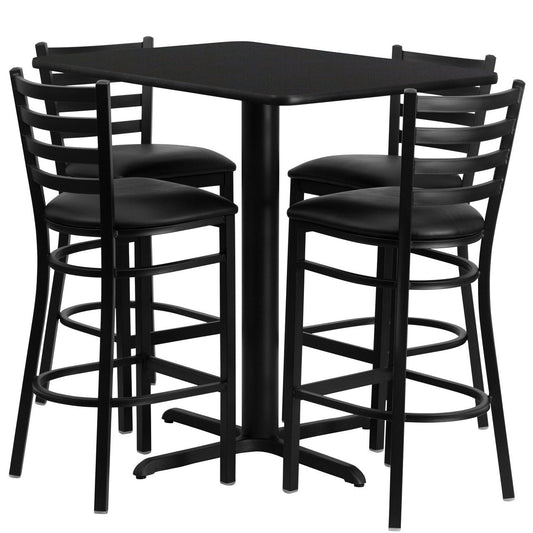
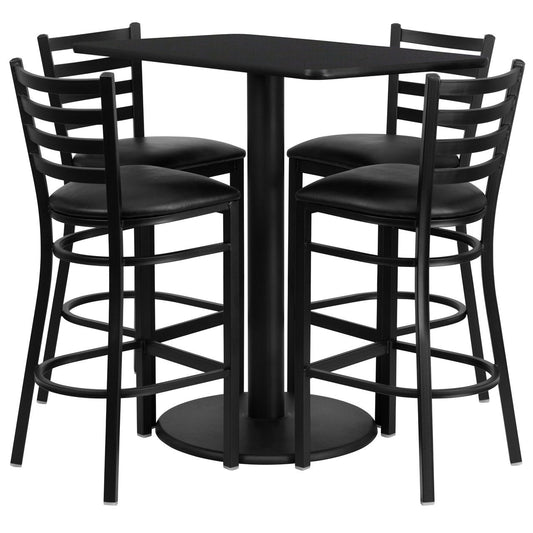
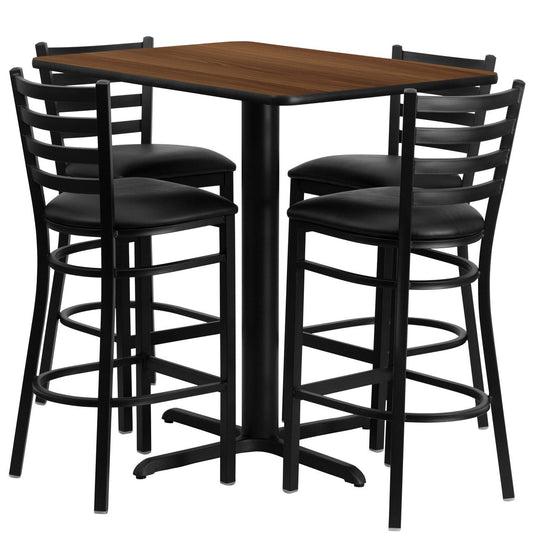
Look for reinforced connections, well-finished edges, and a protective finish suited to the intended environment. You can compare different styles of metal restaurant chairs to find seating that suits your cafeteria's layout and design.
Wooden Cafeteria Chairs
Wooden chairs bring a warm, welcoming appearance to cafeterias and casual dining areas. They work particularly well in office lunchrooms, cafés, and restaurants with traditional or farmhouse interiors.
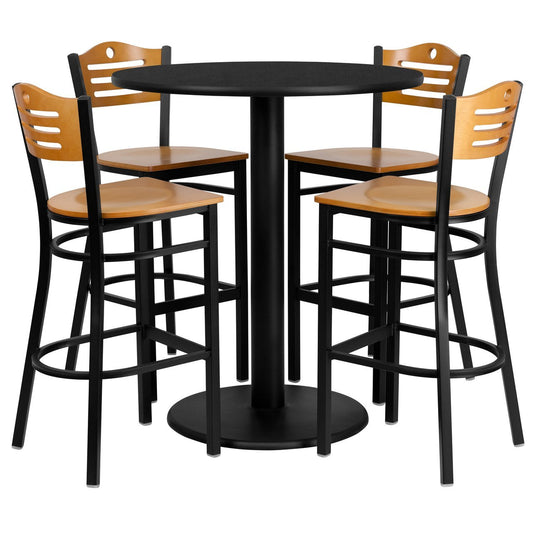
For commercial use, pay attention to the wood's construction, protective finish, and how the legs and backrest connect to the frame. Wood restaurant chairs are worth considering when you want a natural finish without sacrificing practical seating requirements.
Plastic and Molded Chairs
Commercial-grade plastic chairs can be useful in cafeterias that need lightweight seating and straightforward cleaning. Molded designs often have fewer joints and surfaces where food debris can collect. However, plastic quality, frame reinforcement, and manufacturer-rated capacity vary significantly between models.
Before purchasing, check whether the chair is intended for frequent commercial use rather than occasional residential seating.
Upholstered Cafeteria Chairs
Upholstered seating can make dining areas feel more welcoming, particularly in corporate cafeterias and staff lounges. For high-traffic areas, vinyl or other easy-clean upholstery may be more practical than absorbent fabrics. Pay attention to stitching, cushion construction, and cleaning instructions before selecting a model.
3. Check the Frame and Joints Before Buying
A chair can look sturdy in a product photograph but still develop problems after months of frequent use. The frame is one of the most important parts to examine, especially when purchasing chairs for schools, hospitals, and other busy institutions.
Before selecting commercial cafeteria chairs, check the following:
- Frame connections: Look for secure welds, reinforced joints, and properly fitted components.
- Weight capacity: Confirm the manufacturer's stated load rating for the intended users.
- Leg stability: Check whether all legs sit evenly on the floor without rocking.
- Seat attachment: Make sure the seat is securely connected to the frame.
- Protective finish: Check for exposed edges, uneven coating, or areas likely to wear quickly.
Where possible, physically test a sample chair before placing a large order. Sit on it, move it, and inspect its construction. A good-looking chair is not necessarily a durable chair. Its quality becomes clearer when you examine how it is built.
4. Choose Comfortable Seating for Your Guests

Comfort matters even when people only sit down for a quick meal. A chair that feels uncomfortable may make an otherwise well-designed cafeteria less pleasant to use. Seat height, backrest shape, and available legroom all contribute to the dining experience.
Consider these features when choosing your seating:
- Seat height: Chairs should work comfortably with the height of your cafeteria tables.
- Back support: A supportive backrest helps guests sit comfortably during meals and breaks.
- Seat dimensions: The seat should provide enough room without making the dining area feel crowded.
- Armrests: These may improve comfort or assist some users, but they also require additional space.
- Seat finish: Consider whether a padded or non-padded seat is more practical for your setting.
If possible, test your preferred chairs with the actual tables you plan to use. This helps identify seating-height or legroom problems before purchasing.
5. Consider Stackable Chairs for Flexible Seating
Not every cafeteria maintains the same layout throughout the day. Some spaces are used for staff meetings, school activities, or larger gatherings outside regular meal periods. In these situations, stackable chairs can make furniture management easier.
They allow staff to clear floor space for cleaning, store additional seating, and rearrange tables when needed. When looking at stackable metal chairs, check the manufacturer's maximum stacking recommendation, chair weight, and whether the design includes protective features to reduce surface damage.
Remember that stackable and folding chairs are not the same. A chair advertised as stackable should not automatically be assumed to fold.
6. Match the Chair Style to Your Cafeteria Design
Durability should come first, but the appearance of your chairs still matters. Well-chosen cafeteria furniture can make a busy dining space feel organized and inviting. The goal is to select a consistent design that suits the environment without creating unnecessary cleaning or maintenance work.
For example:
- Modern cafeterias: Simple metal frames, neutral colors, and clean chair silhouettes.
- Traditional dining spaces: Wooden seats, warm finishes, and classic backrest designs.
- Industrial interiors: Dark metal frames paired with wood or wood-look surfaces.
- Corporate cafeterias: Coordinated finishes, supportive seating, and practical upholstery.
- Try to choose chair finishes that complement your tables and surrounding furniture.
For a coordinated dining arrangement, consider pairing your chairs with regular-height table sets that suit the available space.
7. Think About Cleaning and Maintenance

Food spills, crumbs, and frequent surface cleaning are part of everyday cafeteria operations. Choosing furniture that is difficult to maintain can increase the time employees spend cleaning between busy meal periods. Look for chair designs with smooth surfaces, accessible corners, and finishes that can withstand the cleaning methods recommended by the manufacturer.
Metal and molded plastic seating can be relatively straightforward to wipe down, while wood and upholstery may require more specific care. Also consider replacing damaged floor glides and checking for loose fasteners during routine maintenance. A simple maintenance routine can help identify small problems before they become expensive repairs.
8. Plan Your Budget Around Long-Term Value
Buying cafeteria chairs in bulk can be a significant investment, particularly when furnishing an entire school, office, or commercial dining area. Choosing the lowest-priced option may seem appealing, but the initial cost tells only part of the story. Think about the total cost of ownership, including repairs, replacement chairs, maintenance, and delivery.
Before placing a wholesale order, compare:
- Construction quality and material specifications
- Manufacturer warranty terms
- Delivery charges and expected lead times
- Availability of replacement parts
- Return policies and damage procedures
- Quantity discounts, where available
Ordering a sample or a small initial quantity can also help you evaluate the design before committing to a larger purchase. At Wholesale Bar Stool Club, you can browse commercial seating options and compare styles suited to different dining environments.
9. Common Mistakes to Avoid When Choosing Cafeteria Chairs

Even attractive, well-priced chairs can turn out to be a poor fit if important details are overlooked. One common mistake is choosing chairs based only on appearance. A stylish design will not compensate for weak frame connections or unsuitable materials.
Another mistake is failing to measure the dining space. Chairs need enough room for people to sit down, move away from tables, and walk through the cafeteria comfortably. You should also avoid assuming that every commercial chair has the same load capacity or cleaning requirements.
Finally, don't overlook the importance of ordering compatible seating. Replacing chairs later can become difficult if the original design or finish is no longer available.
Final Thoughts
Choosing durable cafeteria chairs is about balancing construction quality, comfort, appearance, and daily maintenance. Whether you're furnishing a school lunchroom, hospital dining area, or corporate cafeteria, the chairs should suit the people using them and the demands of the space.
Start by evaluating your dining layout, compare materials, and inspect chair specifications before buying in bulk. A thoughtful choice can help you create a functional cafeteria while limiting unnecessary replacements.
Browse the selection of commercial cafeteria chairs at Wholesale Bar Stool Club to find seating options for your dining space.
Frequently Asked Questions
1. What is the best material for cafeteria chairs?
Steel, aluminum, commercial-grade plastic, and wood can all be suitable for cafeteria seating. The best material depends on daily use, cleaning requirements, seating comfort, and the quality of the chair's construction.
2. Are metal chairs suitable for high-traffic cafeterias?
Yes. Well-constructed metal chairs can be a practical choice for busy cafeterias because they offer structural strength and relatively simple maintenance. Always check the frame connections, finish, and manufacturer specifications before purchasing.
3. Are stackable cafeteria chairs a good option?
Stackable chairs are useful for cafeterias that frequently rearrange seating or need additional floor space for cleaning and events. Check the recommended stacking limit and storage requirements before choosing a model.
4. How can I tell whether a cafeteria chair is durable?
Examine its frame, joints, seat attachment, protective finish, and stated weight capacity. If possible, test a sample chair to evaluate stability and comfort before placing a larger order.
5. What should I check before buying cafeteria chairs in bulk?
Confirm the chair dimensions, load rating, warranty, cleaning instructions, lead time, and total delivered cost. For large orders, testing a sample can help prevent costly purchasing mistakes.
6. How much space should I leave between cafeteria chairs?
Allow enough space for guests to sit, stand, and move their chairs without disturbing nearby diners. The amount depends on table dimensions, seating arrangement, and walkway requirements. Always account for accessibility standards and applicable local building regulations.
7. Are upholstered chairs a good choice for cafeterias?
Upholstered chairs can work well in corporate cafeterias and staff dining areas where additional seating comfort is important. For busy environments, consider stain-resistant materials or easy-clean vinyl. Check upholstery durability, cleaning instructions, and replacement requirements before purchasing.
8. How often should cafeteria chairs be replaced?
There is no fixed replacement schedule for cafeteria chairs. Their lifespan depends on construction quality, frequency of use, maintenance, and environmental conditions. Inspect chairs regularly and replace any that develop unsafe structural damage, unstable legs, or other defects that cannot be reliably repaired.