How to Choose the Best Frame for Your Bar Stools: Key Factors to Consider

Bar stools do two jobs at once. They shape the look of your restaurant, kitchen, or bar, and they carry guests through every meal, drink, and long conversation. The part that decides how well they do both is the frame.
A good frame keeps a stool steady, comfortable, and looking sharp for years. A weak one wobbles, scratches floors, and ends up in the dumpster long before you planned. In a busy venue, that difference shows up fast in repair bills and guest complaints.
Our full range of bar stools covers metal, wood, and hybrid frames for every kind of space. Below, we break down the 12 key factors to consider when choosing a frame, along with the features and styles shaping modern bar seating.
1. Understand the Importance of Frame Material
Most bar stool frames are made from wood, metal, or a combination of the two. Each has its own strengths, so the right choice depends on how and where the stools will be used.
|
Frame Type |
Strengths |
Watch Out For |
Best For |
|
Metal |
Strong, stable, low upkeep |
Can feel cold without a seat pad |
Commercial bars, restaurants, cafes |
|
Wood |
Warm, classic look |
More upkeep, less robust |
Pubs, traditional dining, home bars |
|
Combination |
Metal strength with wood warmth |
Wood seat still needs care |
Modern rustic and mixed decor |

Wooden Frames
Wood frames suit traditional restaurants, rustic bars, and cozy pubs. They bring warmth and natural texture that many guests love. The tradeoff is upkeep. Wood can loosen at the joints, absorb spills, and wear faster under heavy commercial use. Browse our wood bar stools if a classic look is your priority.
Metal Frames
Metal frames are strong and modern, which makes them a natural fit for industrial, contemporary, and minimalist spaces. Backed metal stools offer excellent stability for commercial use, and they need far less cleaning and polishing than wood. For design ideas, see our roundup of metal bar furniture ideas.
Combination Frames
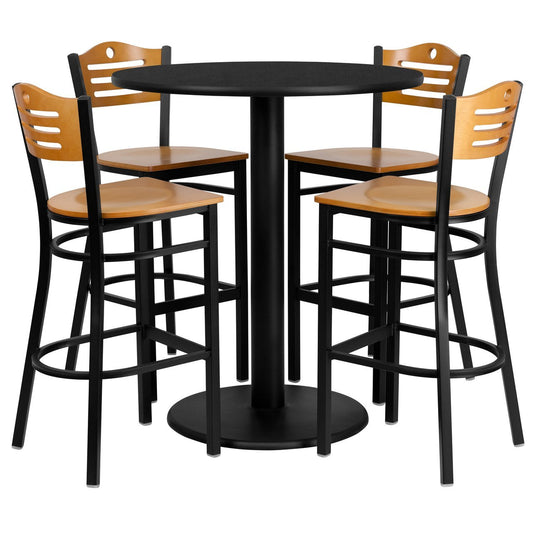
Combination frames pair a metal base with a wood seat or wood accents. You get the strength of steel with the texture of wood, which suits modern rustic, farmhouse, and industrial interiors alike. Our metal stools with wood seats are one of the most popular ways to get this look.
2. Evaluate Durability and Stability
In a commercial setting, durability matters more than almost anything else. Stools get dragged, stacked, leaned on, and climbed on every day.
- Joints. Welded joints hold up far better than bolted ones, which loosen over time.
- Tubing. Thicker tubing, such as 16-gauge steel or heavier, resists bending.
- Weight rating. Look for a clear rating of at least 250 lbs. Heavy duty frames often reach 400 to 500 lbs.
- Base. A wider base and four solid legs keep the stool from tipping.
Metal frames generally outlast the alternatives, especially when the welding is clean and the finish is protected.
3. Assess Comfort and Ergonomics

Guests may sit for an hour or more, so the frame should support the body, not fight it.
- Backrests. Backed stools support the lower back during long meals.
- Seat shape. Contoured or saddle seats spread weight more evenly than flat ones.
- Padding. High-density foam seat pads add comfort without sagging.
- Footrests. A footrest at the right height takes pressure off the legs.
For long stays, our metal bar stools with backs offer more support than backless designs.
4. Consider Style and Aesthetics
The frame should match the overall decor and mood of your space. It is often the first thing guests notice when they walk up to the bar. Our metal bar stools come in many frame styles and finishes.
Modern and Industrial Styles
Metal frames suit clean, contemporary, and industrial designs. Matte black, brushed steel, and distressed finishes fit most of these spaces, and colored powder coats can add a bold accent that ties into your brand.
Traditional and Rustic Styles
Wood frames and wood-and-metal combinations create a warm, homey feel. Darker wood tones and distressed metal work especially well in pubs, steakhouses, and farmhouse-style restaurants.
5. Factor in Maintenance and Care

Easy cleaning saves staff time every single day.
- Metal frames wipe clean, resist staining and tarnishing, and handle high-traffic bars well. Powder-coated and clear-coated finishes add extra protection against chips and rust.
- Wood frames look beautiful but need sealing, regular polishing, and quick cleanup of spills to avoid damage.
For a full care routine, see our maintenance tips for metal bar stools.
6. Budget Considerations
Premium frames, such as stainless steel or heavy duty welded steel, cost more upfront. Their durability and low upkeep often make them cheaper over time.
Cheap stools may save money at checkout, but they tend to sacrifice quality and lifespan. A smarter way to compare is cost per year of use. A stool that lasts 10 years at a slightly higher price beats one that needs replacing after 18 months. Ask about bulk pricing when you furnish a full room.
7. Match Bar Stools with Your Bar Height
Always measure your counter before you buy, so every stool fits comfortably.
|
Counter Height |
Stool Seat Height |
|
28 to 30 in (dining) |
About 18 in |
|
36 in (counter) |
24 to 26 in |
|
40 to 42 in (bar) |
28 to 30 in |
Leave about 9 to 12 inches between the seat and the underside of the counter for legroom. For a full walkthrough, read our guide to choosing the right bar stool height.
8. Explore Customized Options
Many suppliers offer choices in frame material, finish, and seat type. Customization helps your stools match your decor and your daily needs.
- Finish. Matte black, brushed steel, distressed, clear-coated, and colored powder coats.
- Seat. Wood, vinyl, cushioned, or bucket seats.
- Style. Backless, ladder back, X back, slat back, or swivel.
Wholesale Bar Stool Club offers a wide range of frame styles, finishes, and seat options for commercial and home spaces.
9. Don’t Forget About Footrest Design

Comfort depends a lot on where the footrest sits. A footrest about 7 to 9 inches below the seat lets most guests rest their feet with knees comfortably bent.
Look for footrests that are welded to the frame rather than bolted on, wide enough for both feet, and coated to resist scuffs. A well-placed footrest reduces leg fatigue and supports good posture.
10. Read Customer Reviews and Testimonials
Reviews show how a frame performs in the real world. Look for comments on stability, wobbling, finish wear, and how the stool held up after months of use.
Feedback from other restaurant and bar owners is especially valuable when choosing wholesale furniture in Arizona, as they use stools in similar commercial settings. Buyer photos can also help you see the actual finish and color beyond product images.
11. Floor Protection

A good frame protects your floors as well as your guests.
- Floor glides help mobile stools slide without scratching.
- Felt pads work well on hardwood and laminate.
- Rubber caps grip tile and reduce noise.
Check glides regularly and replace worn ones before bare metal touches the floor.
12. Ensure Warranty and After-Sales Support
A solid warranty shows the maker trusts its frame. Check what it covers, such as welds and manufacturing defects, and for how long.
Responsive after-sales support matters just as much. Ask whether replacement parts, such as seats, cushions, and glides, are available. Replacing a seat with a replacement bucket seat top is far cheaper than buying a new stool.
Conclusion
Choosing the best frame for your bar stools comes down to a few key factors: material, durability, comfort, style, upkeep, cost, height, footrests, floor protection, and support after the sale. For most commercial spaces, a welded steel frame with a durable finish offers the best balance of strength and value, while wood and hybrid frames add warmth where it matters most.
Wholesale Bar Stool Club offers commercial bar stools in metal, wood, and hybrid frames for restaurants, bars, and homes. Call us at 888-900-7384 for help choosing the right frame for your space.
Frequently Asked Questions
1. What is the strongest frame material for commercial bar stools?
Powder-coated welded steel is the most durable and widely used option for commercial bar stools. Heavy duty steel frames often carry weight ratings of 400 to 500 lbs and can last 10 years or more with basic care. The powder coat protects the steel from chips, scratches, and rust, which matters in busy bars where stools get moved and cleaned all day.
2. How can I tell if a bar stool frame is commercial grade?
Check for welded joints instead of bolted ones, a weight rating of at least 250 lbs, reinforced seat brackets, and tubing that is 16-gauge or heavier. A powder-coated or commercial-grade finish is another good sign. Our guide to choosing the right metal bar stools for your restaurant or bar covers what to look for in more detail.
3. Are wood or metal bar stool frames better?
Metal is the better choice for high-traffic commercial use because it is stronger, more stable, and easier to clean. Wood suits cozy pubs, traditional dining rooms, and home bars where warmth matters more than heavy daily use. A metal frame with a wood seat is a popular middle ground. Our comparison of metal vs. wood bar stools explains the differences in comfort and durability.
4. What is the right footrest height for a bar stool frame?
The footrest should sit about 7 to 9 inches below the seat. At that height, most guests can rest their feet with their knees comfortably bent. Choose a footrest that is welded to the frame and wide enough for both feet, so it stays solid and comfortable over years of use.
5. How long should a quality bar stool frame last in commercial use?
A commercial-grade welded steel frame should last 7 to 10 years or more with regular care. Residential frames used in commercial spaces often fail within 12 to 18 months because their joints and tubing are not built for constant use. Tightening hardware, replacing glides, and cleaning the finish regularly all help a frame last longer.
6. What bar stool frame styles are trending in 2026?
Satin and matte metal finishes like brushed steel, muted brass, and pewter are replacing high-gloss chrome. Backed stools with ergonomic seats, warm wood seats on metal bases, and durable frames with replaceable parts are also growing. These trends look set to continue into 2027.
7. How do I protect my floors from bar stool frames?
Use floor glides on stools that move often, felt pads on hardwood and laminate, and rubber caps on tile. Check the feet every few months and replace worn glides before bare metal touches the floor and leaves scratches.