Dog-Friendly Restaurant Patios: Is It Worth It for Your Business?

Half the households in America have a dog. When those owners plan a Saturday brunch or an evening drink, many of them start with one question: can the dog come too? If the answer is no, many will pick another spot, often with a table of friends in tow.
Opening your patio to dogs can bring in new regulars, fill slow afternoons, and give people a reason to talk about you. It can also bring barking, cleanup, upset guests, and a call from the health inspector if you skip the rules.
So is it worth it? For many casual restaurants, cafe table, and bars with outdoor space, yes. But only if you set it up right. Below, we cover the real benefits, the downsides most guides ignore, what the law allows, and how to build an outdoor area that works for every guest, whether they bring a dog or not.
When Letting Dogs on the Patio Pays Off (and When It Doesn't)
Three conditions decide it: your local health department allows pet dogs outside, you run a casual concept, and you have a defined outdoor area with room to spare. Meet all three and a dog-friendly patio usually earns its keep. It pays off most for brunch spots, breweries, coffee shops, and neighborhood bars, where guests linger and visits feel social.
It's a good fit if:
- Your health department allows pet dogs in outdoor dining.
- Your outdoor area has room for wider table spacing.
- Dogs can enter from the sidewalk without walking through the dining room.
- Your staff will follow and enforce clear rules.
It's a harder sell if:
- Your tables sit close together on a small patio.
- Your guests expect a quiet, formal meal.
- Dogs would have to pass through the dining room to reach outdoor seating.
In those rooms, one restless dog can change the experience for everyone around it. The real question is whether you can manage the space so guests without dogs still enjoy it.
Why Should Dogs Be Allowed in Restaurants? 5 Business Benefits
 Here's where dog owners add revenue.
1. You Reach a Huge, Loyal Audience
According to the American Pet Products Association's 2025 State of the Industry report, 94 million U.S. households own a pet, and 68 million of them own a dog. That is 51% of U.S. households. Many of those owners treat their dog like family and plan outings around places that welcome them.
2. Guests Stay Longer
When people don't have to rush home to let the dog out, they settle in. Dog owners can make a walk part of the outing instead of ending the night early, which often means another round, a shared appetizer, or dessert.
3. Slow Hours Get Busier
Dog owners walk their dogs at all hours. A patio that welcomes them can pull in traffic on weekday afternoons and early evenings, the hours that are hardest to fill.
4. Word Spreads Fast
Dog owners recommend dog-friendly spots to each other, post photos of their pets on patios, and search listing sites built for finding places that allow pets. Being known as "the place you can bring your dog" brings steady word-of-mouth.
5. Casual Visitors Turn Into Regulars
A dog-friendly patio gives people a habit. Once a guest finds a spot where they and their dog feel welcome, it becomes their default. Staff learn the dogs' names, and the visit starts to feel personal.
The Trade-Offs Most Owners Underestimate
The benefits only count if they outweigh the costs. Allowing dogs isn't all upside, and these are the trade-offs to weigh before you open the gate.
- Not every guest likes dogs. Some people are afraid of dogs, some have allergies, and some simply want a quiet meal.
- Noise and behavior. One barking or reactive dog can disrupt the whole patio.
- Cleanup. Accidents, shedding, and spilled water bowls add work for staff.
- Health code compliance. Many areas set strict conditions, and breaking them can lead to fines.
- Liability. Bites and dog fights can happen. Check your liability coverage with your insurer and give staff the authority to ask any owner to leave.
None of these are deal-breakers on their own. The restaurants that get this right treat dogs as part of the operation, not an afterthought. Clear rules, a defined space, and trained staff solve most of these problems before they start.
Are Dogs Allowed in Restaurants? What the Rules Say
 Pet dogs are generally not allowed inside restaurants, but many U.S. areas now allow them on outdoor patios under certain conditions. The rules depend on your state, county, or city.
The federal guideline. The FDA's 2022 Food Code, which states and local health departments use as a model, allows pet dogs in outdoor dining areas where approved. As Axios reported, the code isn't binding on its own. Your state and local rules decide, and each restaurant still gets the final say on whether to allow dogs.
Common patio conditions. Areas that allow dogs outside usually attach rules. Oregon's health guidance on pet dogs in outdoor seating is a good example of what to expect:
- Dogs must stay leashed and under the owner's control.
- Dogs can't sit on chairs, tables, or other furnishings.
- Dogs can't touch dishes, utensils, or tableware.
- Staff can't touch, pet, or handle dogs.
- Neither staff nor guests can feed dogs.
- Dogs can't pass through indoor areas to reach the patio.
- The restaurant needs a written plan that covers a diagram of the dog area, staff procedures, waste cleanup, and how guests are told the rules.
Some cities also require a permit before you can allow dogs. Jacksonville Beach, Florida, for example, has a dogs in outdoor dining area permit. Always check with your local health department first.
Service animals are different. Under the ADA's service animal requirements, a service animal is a dog individually trained to do work or perform tasks for a person with a disability. Restaurants must generally allow service animals in all public areas, indoors included, even where health codes ban other animals. When a dog's role isn't obvious, staff may ask only two questions: whether the dog is required because of a disability, and what task it has been trained to perform. You can't ask for papers or a demonstration. You may ask a handler to remove the dog only if it is out of control or not housebroken. Emotional support animals don't qualify as service animals under the ADA.
A "dog menu" or free pup treats sounds like great marketing, but in areas that follow rules like Oregon's, staff and guests can't feed dogs on the patio. Check your local code before you print that menu.
For more on this topic, read our guide on whether service dogs can sit on restaurant chairs.
How to Set Up a Dog-Friendly Patio
 A good setup protects your guests, your staff, and your health inspection. Use these steps as a starting point.
1. Mark a clear dog zone. Keep dogs in one section of the patio, ideally with its own entrance from the sidewalk so dogs never pass through the dining room.
2. Give tables more space. Leave extra room between tables so dogs can lie down without blocking aisles or reaching the next table.
3. Set up water and waste stations. Use dedicated pet bowls, never your restaurant dishware, and confirm locally that staff may fill them. Place them away from server paths, and keep cleanup bags, disinfectant, and paper towels close by.
4. Post your house rules. A simple sign at the entrance covers leashes, staying off furniture, and keeping dogs calm. It also gives staff something to point to.
5. Train your staff. Make sure servers know the rules, how to handle a barking or aggressive dog, and how to clean up an accident quickly.
6. Keep a non-dog section. If space allows, offer seating away from the dog zone for guests who prefer it.
For layout ideas, see our guide on designing your restaurant's outdoor seating area and our breakdown of seating arrangements for every restaurant style.
Choosing Patio Furniture When Dogs Are Around
 The right furniture makes a dog zone easier to run. Look for pieces that are stable, easy to clean, and built for outdoor use.
- Choose weather-rated pieces. Outdoor seating faces sun, rain, and spilled water bowls. Pick furniture made for both indoor and outdoor use, such as our indoor-outdoor restaurant chairs.
- Prioritize stability. Guests often loop leashes around chair legs or table bases. Lightweight chairs can tip when a dog pulls. Sturdy frames and heavier table bases hold steady.
- Pick surfaces you can wipe down. Metal and sealed surfaces clean up fast after muddy paws or spills. Fabric cushions hold fur and odors.
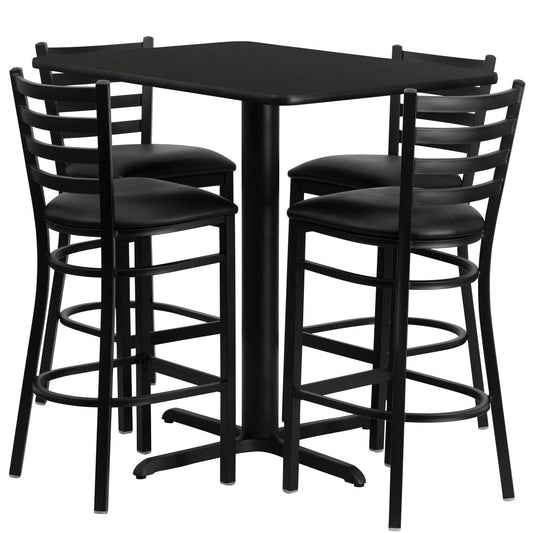
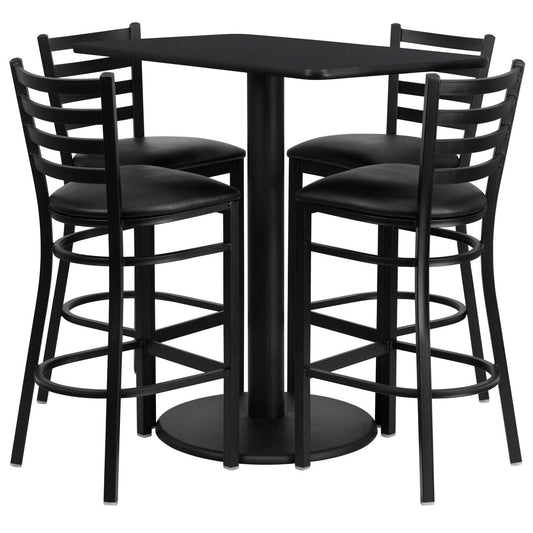
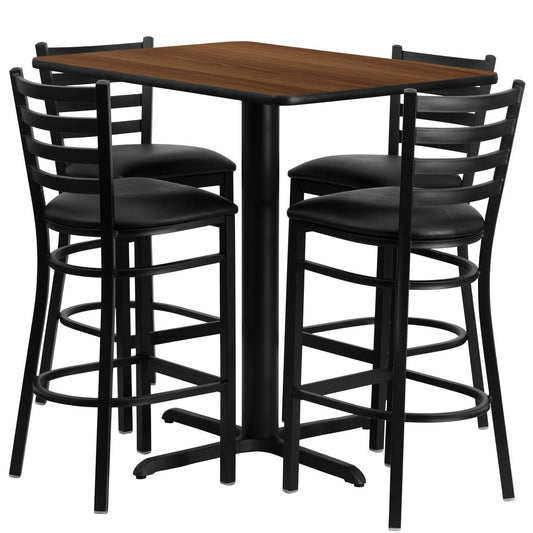
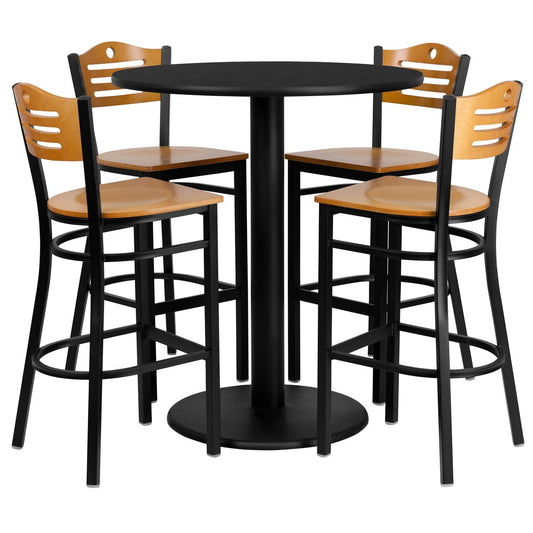
- Think about height. At bar-height tables, dogs lie under or beside guests instead of near the table surface. For pet owners, the best bar stools have a solid footrest, a stable base, and a seat that wipes clean. Browse our indoor-outdoor bar stools for options.
- Buy in matching sets. Indoor-outdoor chair and table sets keep your outdoor area looking consistent and make reordering simple.
The Bottom Line for Restaurant Owners
Welcoming dogs outside is a practical way to bring in new guests and turn them into regulars. Planning makes it pay off. Know your local rules, set clear house rules, train your staff, and choose furniture that holds up outdoors.
Do that, and your outdoor seating becomes a place both dog owners and everyone else want to visit. For help choosing the right seating for your concept, read our guide on how to choose the best seating for your dining style.
Need Outdoor Seating for Your Patio?
If you're planning a new patio or refreshing an old one, our team can help you choose commercial seating built for outdoor use. Call us at 888-900-7384 or browse our indoor-outdoor bar stool table sets. Need to spread out the cost? Apply for business financing through Credit Key.
Frequently Asked Questions
1. Why should dogs be allowed in restaurants?
Allowing dogs on the patio helps restaurants reach the millions of dog owners who prefer places that welcome their pets. It can lead to longer visits, busier off-peak hours, more word-of-mouth, and more repeat guests.
2. Are dogs allowed in restaurants?
Pet dogs are generally not allowed indoors. Many areas allow them on outdoor patios if the restaurant follows local health rules, such as keeping dogs leashed and off furniture. Service animals must generally be allowed in all public areas.
3. Are emotional support dogs allowed in restaurants?
Not as service animals. Under the ADA, emotional support animals don't qualify as service animals, so they follow the same rules as pet dogs in your area.
4. Can dogs sit on restaurant chairs?
In areas with rules like Oregon's, no. Health rules commonly require dogs to stay off chairs, tables, and other furnishings.
5. What do I need to make my restaurant patio dog-friendly?
Start with local health department approval. Then set up a marked dog zone, water and waste stations, posted house rules, staff training, and outdoor-rated furniture.
6. Can restaurants give food or treats to dogs?
It depends on local rules. Some areas, such as Oregon, ban staff and guests from feeding dogs in outdoor dining areas. Check with your health department before offering dog treats or a dog menu.
7. What furniture works best for a dog-friendly patio?
Choose indoor-outdoor rated furniture with sturdy frames, stable bases, and surfaces that wipe clean. Metal chairs and bar stools with solid footrests hold up well to leashes, spills, and daily cleaning.
8. What is the best bar stool for pet owners?
Look for a metal frame with a wide, stable base, a solid footrest, and a metal or wipeable vinyl seat. Skip fabric seats that hold fur and odors. For patios, choose stools rated for indoor and outdoor use, like our indoor-outdoor bar stools.